
Debunking popular gambling myths What you really need to know

Debunking popular gambling myths What you really need to know
Understanding the House Edge
One of the most pervasive myths in gambling is that players can overcome the house edge through skill or luck. The house edge is a built-in advantage that casinos have over players, ensuring that they make a profit in the long run. For example, in games like roulette, the presence of a zero gives the casino an edge, regardless of how skilled a player thinks they are. Players must understand that this mathematical principle is unwavering and that the odds are designed to favor the house. Additionally, discovering betting sites free bets no deposit can enhance a bettor’s understanding while providing opportunities.
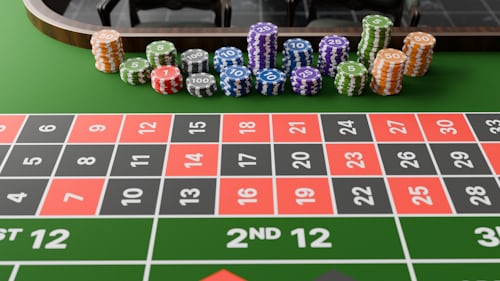
Many gamblers believe that by observing patterns or trends in games, they can predict outcomes, especially in games of chance. This belief leads to strategies like betting on the next “hot” number in roulette or the next “due” outcome in slot machines. However, these games are random and independent of previous outcomes. Understanding this fact can save players time and money, as chasing trends often leads to disappointment and losses.
It’s crucial for gamblers to accept that the house edge is not merely a suggestion but a reality. Casinos are businesses, and they design games to ensure that they remain profitable. This knowledge empowers players to make informed decisions, focusing on entertainment rather than the false hope of beating the odds. By embracing the house edge concept, players can manage their expectations and approach gambling responsibly.
The Myth of Luck-Based Strategies
Another widespread misconception in the gambling community is the belief that certain strategies can consistently yield winning outcomes based solely on luck. While it’s true that luck plays a role in gambling, especially in games like slots and roulette, relying solely on this luck is a flawed approach. Many players fall into the trap of believing they have a “lucky streak” that will continue, often leading to increased bets and eventual losses.
For instance, some players think that if they keep playing a particular machine that has paid out recently, it will continue to do so. This idea is particularly misleading, as slot machines operate on random number generators that ensure each spin is independent of the last. Therefore, the notion that a machine can be “due” for a payout is entirely unfounded. Players need to recognize that strategies based on luck often disregard the random nature of the games.
Ultimately, while luck can influence short-term outcomes, it is not a reliable basis for long-term gambling success. Understanding the limitations of luck-based strategies allows players to set realistic goals and engage with gambling in a more meaningful way. Approaching gambling with a balanced mindset helps individuals enjoy their experience without the stress of unrealistic expectations.
Believing in “Due” Outcomes
The belief that certain outcomes are “due” to occur is another common misconception that leads gamblers astray. This idea manifests in various forms, such as thinking that a specific number in a lottery is due for a win because it hasn’t appeared recently. Such beliefs arise from cognitive biases, particularly the gambler’s fallacy, which misleads players into assuming that past events will influence future outcomes in random games.
Take, for example, a roulette wheel that has recently landed on red several times in a row. Many players might believe that black is “due” to hit next. However, each spin of the wheel is independent, and the odds remain the same regardless of previous results. This misunderstanding can lead to poor betting decisions and significant losses. Recognizing that past results do not impact future outcomes is critical in developing a sound gambling strategy.
In essence, embracing the random nature of gambling is vital for any player hoping to engage responsibly. By understanding that every spin, roll, or draw is unaffected by what came before, gamblers can mitigate the effects of cognitive biases and make more informed decisions. Awareness of these myths not only enhances the gambling experience but also protects players from potential financial pitfalls.
Gambling as a Guaranteed Income Source
A prevalent myth is the belief that gambling can serve as a reliable source of income. Many individuals are drawn to gambling with the hope of striking it rich, thinking they can earn a living from their betting activities. This misconception is dangerous, as it leads to unrealistic expectations and potentially harmful financial decisions. In reality, gambling is designed to be a form of entertainment rather than a viable income source.
Success stories in gambling often overshadow the countless individuals who lose money in the process. For every person who wins a jackpot, there are many others who experience significant losses. While some professional gamblers may make a living from their skills, they are the exception rather than the rule. The vast majority of players should approach gambling as a leisure activity and not a financial strategy.
Understanding that gambling carries inherent risks and should not be relied upon for income is essential for maintaining a healthy relationship with it. By reframing their perspective, players can engage with gambling in a way that prioritizes enjoyment over profit. This mindset shift is crucial for responsible gambling practices and ultimately leads to a more positive experience.

Responsible Gambling and Seeking Information
For those looking to navigate the world of gambling effectively, understanding the myths is only the first step. It’s essential to seek out reliable information and resources that promote responsible gambling practices. Many platforms offer comprehensive guides, tips, and strategies to help both new and experienced gamblers. These resources can provide insights into game mechanics, bankroll management, and the importance of setting limits.
Additionally, engaging with communities that focus on responsible gambling can provide support and advice from others with similar interests. Forums and discussion groups often share experiences and strategies that can help individuals make better decisions. Being part of a community encourages players to reflect on their gambling habits and take proactive measures to ensure they remain in control.
Ultimately, the journey through gambling can be enriching when approached with knowledge and caution. By debunking myths and focusing on informed choices, players can enhance their experiences and minimize the risks associated with gambling. Exploring reputable websites dedicated to responsible gambling can be an invaluable asset in this pursuit.
Related View More

Like Kerosene – DJ Natural Nate® VS Jiggabot
